
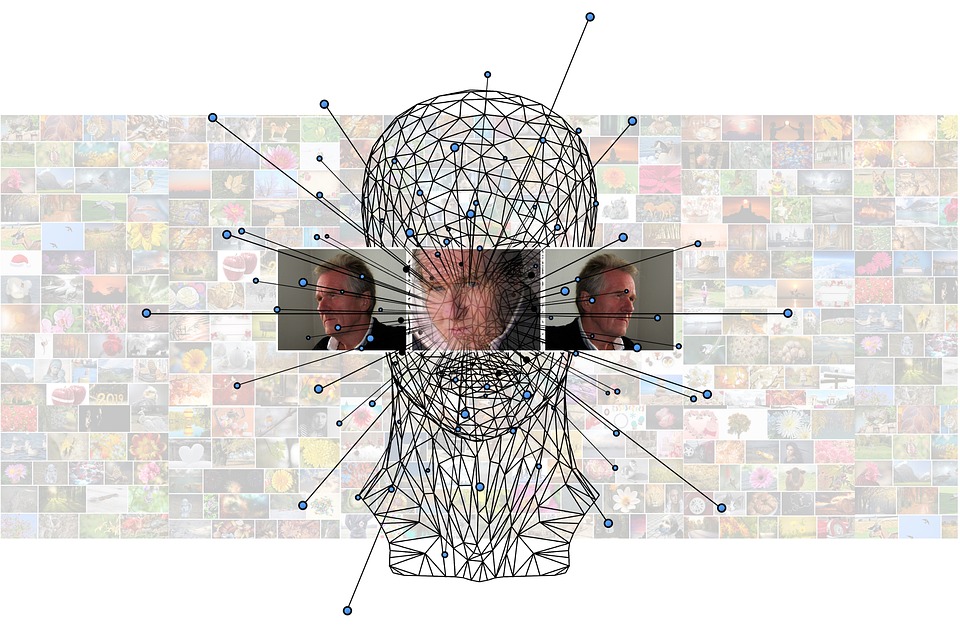
The Rise of Machine Learning and AI: A New Era
In a world increasingly driven by technology, the landscape of machine learning (ML) and artificial intelligence (AI) is evolving at an unprecedented pace. The keyword “Beyond the Horizon: The Future of Machine Learning and AI” encapsulates the journey we are on, from today’s advancements to tomorrow’s possibilities. This article aims to explore the future of these groundbreaking technologies, examining their potential impacts across various domains.
Understanding Machine Learning and AI
What is Machine Learning?
Machine learning is a subset of AI that enables systems to learn and improve from experience without being explicitly programmed. It relies on algorithms and statistical models to analyze and draw inferences from patterns in data.
The Broader Spectrum of AI
Artificial intelligence encompasses not just machine learning but also other approaches like rule-based systems, natural language processing, and robotics. The convergence of these technologies leads to smarter and more efficient applications.
Current Trends in Machine Learning and AI
Increased Adoption in Industries
Industries ranging from healthcare to finance are increasingly incorporating machine learning and AI technologies. For instance:
- Healthcare: AI is aiding in diagnostics, predicting patient outcomes, and personalizing treatment plans.
- Finance: Machine learning algorithms are enhancing fraud detection and algorithmic trading.
The Era of Conversational AI
Chatbots and virtual assistants powered by AI are becoming commonplace. These tools not only improve customer service but also gather and analyze user data to provide personalized experiences.
Automation and the Workforce
Automation is redefining job roles. While some fear job loss, many experts argue that AI and ML will create new opportunities by allowing workers to focus on higher-value tasks.
Challenges Ahead
Data Privacy and Ethical Concerns
As machine learning models grow more complex, the issue of data ethics becomes paramount. The use of personal data raises questions about privacy and consent. Companies must navigate these challenges while complying with regulations like GDPR.
Skill Gaps in the Workforce
Despite growing interest in AI and machine learning, many organizations face a skills gap. The demand for qualified professionals is high, yet training programs often lag behind technological advancements.
Real-World Use Cases
Smart Cities
Cities across the globe are beginning to implement AI-driven solutions for traffic management, waste management, and public safety. For example, predictive analytics can optimize public transport routes, reducing congestion and improving efficiency.
Retail Experiences
AI-powered analytics are revolutionizing retail by providing insights into consumer behavior. Personalized marketing strategies based on data analysis lead to higher conversion rates.
Autonomous Vehicles
Transport is one of the most exciting fields benefiting from AI and ML. Companies like Tesla and Waymo are developing autonomous vehicles that can learn from their environment to improve safety and efficiency.
The Future Landscape
Enhanced AI Systems
As we move beyond the current horizon, enhanced AI systems capable of more accurate predictions and decision-making will emerge. This will likely include advancements in deep learning and neural networks.
Human-AI Collaboration
The future will witness an increased collaboration between humans and AI. Rather than replacing jobs, AI will augment human capabilities, leading to more efficient workflow and productivity.
democratization of AI
With platforms and tools becoming more accessible, even startups and small businesses can harness the power of AI, driving innovation across sectors. Open-source frameworks like TensorFlow and PyTorch are already paving the way for this trend.
FAQs
What are the key benefits of machine learning?
- Improved accuracy in data analysis
- Enhanced decision-making capabilities
- Automation of repetitive tasks
- Faster and smarter business processes
How can small businesses implement AI?
Small businesses can implement AI through cloud-based solutions, which are often more cost-effective than in-house infrastructure. Many SaaS platforms offer AI features that can be tailored to specific needs.
What are the risks involved with AI technologies?
Risks include data breaches, algorithm bias, and the potential for job displacement. It is essential for organizations to adopt ethical AI practices to mitigate these risks.
Conclusion
The journey into the realm of machine learning and AI is just beginning, and a world “Beyond the Horizon” promises significant advancements and challenges alike. Staying informed about trends, investing in skill development, and adopting ethical practices are crucial steps for navigating this exciting landscape.
For in-depth insights and resources about machine learning and artificial intelligence, we encourage you to explore more on NextStack. As we continue to innovate, the future of technology will be one of collaboration, opportunity, and unprecedented growth.