
In recent years, the field of green technology has witnessed significant advancements, revolutionizing sustainability in ways previously thought impossible. The continuous evolution of eco-friendly innovations is not just a trend; it’s a necessity as climate change and environmental degradation pose increasing threats to our planet. This article delves into the latest breakthroughs in green technology that are reshaping our approach to sustainability.
The Rise of Renewable Energy Technologies
Solar Power Innovations
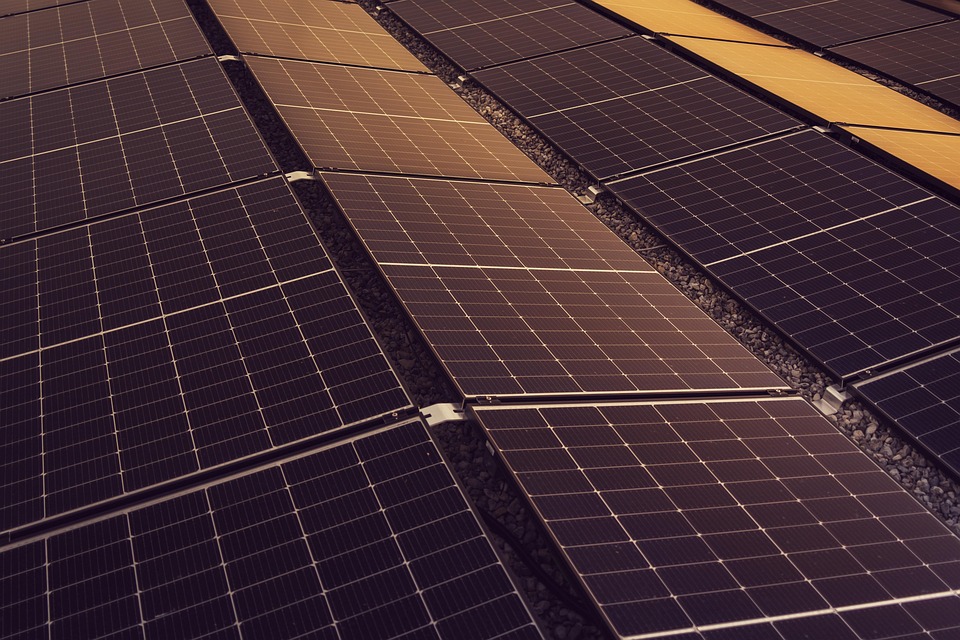
Solar energy remains a cornerstone of renewable technology, with recent advancements transforming how we harness sunlight. Notable innovations include:
- Perovskite Solar Cells: These cells are cheaper, easier to produce, and more efficient than traditional silicon solar panels. They have the potential to lower installation costs and increase adoption rates.
- Bifacial Solar Panels: These capture sunlight from both sides, enhancing energy production and improving overall efficiency.
Wind Energy Developments
Wind energy continues to evolve, with new turbine designs offering greater efficiency and capacity. Key developments include:
- Floating Wind Turbines: Designed for offshore use, they can tap into stronger winds found at sea, increasing energy output without the constraints of seabed-mounted foundations.
- Vertical Axis Wind Turbines (VAWTs): These are more compact and can capture wind from any direction, making them suitable for urban environments.
Smart Grids and Energy Management Systems
The Future of Energy Distribution
Smart grids utilize digital technology to monitor and manage the transportation of electricity from all generation sources, ensuring efficient use of energy. Key features include:
- Decentralized Energy Production: Home solar panels and small-scale wind turbines allow individuals to generate and sell energy back to the grid, reducing reliance on traditional power sources.
- Real-time Energy Monitoring: Users can track their energy consumption in real time, leading to more informed decisions about usage and conservation.
Waste Management and Circular Economy Solutions
Innovations in Waste-to-Energy Technologies
The concept of the circular economy—where waste products are reused and recycled—has gained traction recently. Significant innovations include:
- Anaerobic Digestion: This process converts organic waste into biogas, which can be used for energy generation, reducing landfill waste and lowering greenhouse gas emissions.
- Plastic Recycling Advances: New technologies now enable the recycling of previously non-recyclable plastics, reducing pollution and creating new materials for use in various industries.
Business Models for Sustainability
Several startups are pioneering unique business models aimed at intertwining profit with sustainability:
- Product-as-a-Service (PaaS): Businesses package their products with services to encourage repair and reuse rather than disposal.
- Zero-Waste Supply Chains: Companies are re-evaluating supply chains to minimize waste at every stage of production and distribution.
Sustainable Transportation Innovations
Electrification of Vehicles
As climate concerns rise, electric vehicles (EVs) are gaining prominence. New trends include:
- Battery Technology Improvements: Developments in solid-state batteries promise longer ranges and faster charging times, making EVs more accessible.
- E-commerce Delivery Drones: Companies are exploring aerial drones to optimize urban delivery, reducing emissions from traditional vehicle deliveries.
Public Transport Upgrades
Modernizing public transit systems is vital for reducing urban emissions. Innovations encompass:
- Electric Buses: These environmentally friendly vehicles are becoming common in city transport, significantly lowering air pollution levels.
- Mobility-as-a-Service (MaaS): This integrative approach merges various transportation modes, simplifying the journey for users and reducing reliance on personal vehicles.
Agricultural Technology: Advancements for Sustainable Farming
Precision Agriculture Techniques
Sustainable farming practices are evolving through the use of technology. Innovations include:
- Drones and IoT Sensors: These tools monitor crops and soil health in real time, enabling farmers to make informed decisions that minimize resource use.
- Vertical Farming: This innovative method utilizes controlled environments to grow crops in urban settings with less water and no need for pesticides.
Biotechnology Solutions
Key breakthroughs in biotechnology help enhance resilience against climate threats:
- Genetically Modified Organisms (GMOs): Crops engineered to use water more efficiently or resist pests can lead to higher yields and lower environmental impacts.
- Biofertilizers: Microbial formulations enrich soil health and reduce reliance on chemical fertilizers.
The Role of Policy in Green Technology Adoption
Government Incentives and Regulations
Effective policy can significantly accelerate the adoption of green technology:
- Subsidies for Renewable Energy: Governments worldwide are offering financial incentives to businesses and households that adopt renewable technologies.
- Emission Regulations: Stricter guidelines encourage companies to lower their carbon footprints and invest in sustainable solutions.
Corporate Sustainability Reports
Transparency in sustainability efforts has become crucial:
- Reporting Standards: Many corporations are now mandated to disclose their environmental impact through comprehensive sustainability reports, boosting accountability.
- ESG Investing: Environmentally and socially responsible investing is on the rise, encouraging companies to prioritize sustainability in their operations.
FAQ
What is green technology?
Green technology refers to sustainable innovations that reduce negative impacts on the environment, including renewable energy, waste management solutions, and sustainable agriculture.
How can startups benefit from green technology?
Startups can tap into the growing demand for sustainable products and services, optimize their processes, reduce regulatory costs, and improve their reputation through green initiatives.
What are some challenges facing green tech adoption?
Challenges include high upfront costs, technological barriers, regulatory hurdles, and public resistance to change.
How can individuals participate in sustainability efforts?
Individuals can contribute through everyday actions, such as utilizing renewable energy sources, reducing waste, and supporting sustainable businesses.
What is the future outlook for green technology?
As environmental concerns heighten, green technology is expected to advance rapidly, with increased investment and innovation that integrate sustainability into everyday life.
In conclusion, the advancements in green technology are revolutionizing sustainability in a way that aligns with the needs of our time. From renewable energy to smart waste management and agricultural innovations, these breakthroughs are not just reshaping industries but also setting the groundwork for a sustainable future. By understanding these trends and their implications, businesses, startups, and individuals can better navigate the evolving landscape of green technology.
To stay informed on the latest breakthroughs and trends in green technology, read more at NextStack.