
Introduction
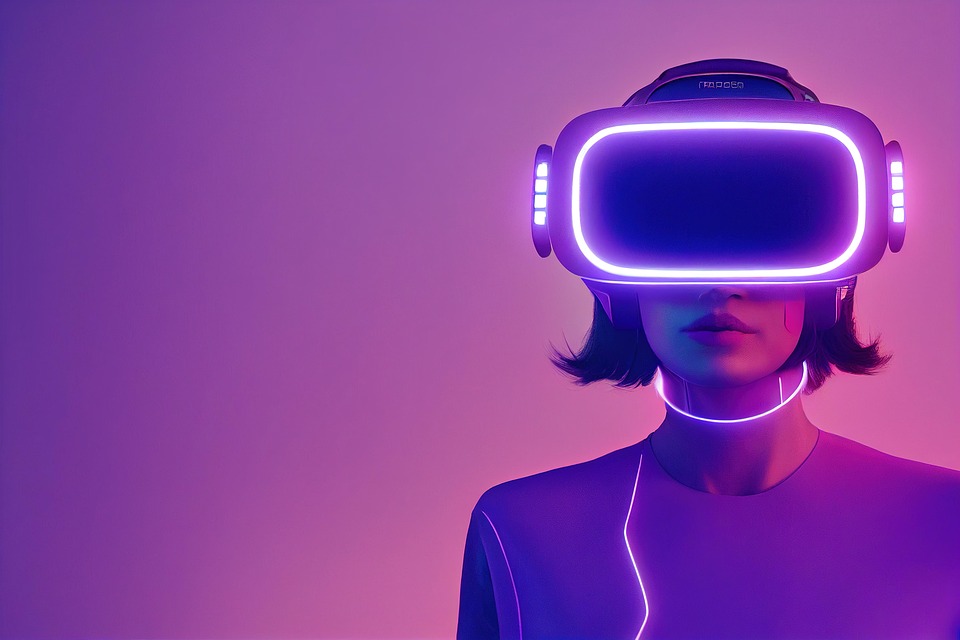
As technology continues to evolve at a rapid pace, the world of virtual reality (VR) is on the brink of a significant transformation. Navigating the Future: Top Virtual Reality Trends to Watch in 2024 is more than just a catchy phrase—it encapsulates the advancements that promise to redefine how we experience digital environments. Whether you are a tech enthusiast, a digital professional, or a startup aficionado, understanding these trends is crucial for making informed decisions and harnessing the potential of VR.
The Rise of Standalone VR Devices
One of the most significant shifts in the VR landscape is the emergence of standalone VR devices. Unlike their predecessors that required external PCs or gaming consoles, these systems offer complete mobility and ease of use.
Key Features
- Wireless Capability: Users can enjoy an untethered experience, making it suitable for both gaming and professional applications.
- Increased Accessibility: With lower price points and user-friendly designs, standalone devices are more accessible than ever.
Real-World Examples
- Meta Quest 3: This latest addition provides enhanced performance while remaining affordable for the average consumer, making VR experiences consistent and engaging.
Enhanced Mixed Reality Experiences
As VR technology evolves, the lines between virtual and augmented reality continue to blur. Mixed Reality (MR) is set to become a key trend in 2024, offering users interactive environments where physical and digital assets coexist.
Benefits of Mixed Reality
- Real-World Integration: Users can interact with digital elements in a physical space, improving training simulations and educational tools.
- Collaborative Workspaces: MR opens new avenues for remote collaboration, allowing teams to brainstorm in shared virtual environments even when physically apart.
Use Cases
- Healthcare Training: MR technology is being used for complex surgical simulations, offering students a hands-on learning experience without real-world risks.
Advances in VR Software and Platforms
The software landscape for VR is bubbling with innovation. Several platforms are introducing enhanced functionality and more immersive experiences.
Key Developments
- Cloud-Based VR: Platforms are leveraging cloud technology, reducing hardware requirements and enabling more complex applications without extensive local resources.
- Gamification in Experiences: Developers are incorporating game mechanics into training programs for more engaging educational experiences.
The Role of Artificial Intelligence in VR
Artificial Intelligence (AI) is beginning to play a pivotal role in enhancing VR experiences. From personalized content to smarter interactions, AI is making VR more user-centered.
Enhancing User Experience
- Adaptive Learning Systems: AI can tailor educational content to individual needs, ensuring that users receive a customized learning experience.
- Behavior Prediction: AI algorithms can analyze user interactions, suggesting improvements to enhance the immersive experience.
Sustainability and Green VR Initiatives
As sustainability becomes a pressing concern, tech companies are exploring how to make VR more eco-friendly.
Innovations for Sustainability
- Energy-Efficient Hardware: Developers are focusing on creating VR hardware that consumes less energy without compromising performance.
- Virtual Spaces for Environmental Awareness: VR platforms are being used to raise awareness about climate change, offering immersive explorations of endangered habitats.
Benefits
- Reduced Environmental Impact: Green initiatives can help the industry lower its carbon footprint, aligning technology with modern-day values.
Ethical Considerations in Virtual Reality
With great power comes great responsibility, and the rising popularity of VR brings up several ethical issues that need careful thought.
Key Ethical Concerns
- Data Privacy: VR systems often collect vast amounts of user data. Ensuring that this data is protected is critical.
- Content Moderation: As VR becomes increasingly social, ensuring safe interactions between users is a concern that needs immediate attention.
Addressing Challenges
- Policy Development: Industries will need to develop clear guidelines to tackle these ethical challenges as VR technology advances.
Future Outlook: What Lies Ahead in VR?
The future of VR is promising, with numerous possibilities waiting to be explored. From the expanded use of VR in education to applications in real estate, the landscape is evolving rapidly.
Key Takeaways
- Integration Across Industries: VR is becoming a key player in various sectors, including entertainment, healthcare, and education.
- User-Centric Innovations: Future developments will likely focus on delivering more personalized and engaging experiences.
FAQ Section
What are the main benefits of standalone VR devices?
Standalone VR devices offer greater mobility, ease of use, and are often more affordable compared to traditional VR systems.
How is AI impacting VR experiences?
AI enhances VR by providing personalized content, developing adaptive learning systems, and predicting user behavior to improve engagement.
Are there any sustainability efforts within the VR industry?
Yes, companies are exploring eco-friendly hardware, energy-efficient systems, and using VR as a tool for environmental awareness.
What ethical issues should be considered in VR development?
Key ethical concerns include data privacy, content moderation, and ensuring user safety in virtual interactions.
How will VR change the way we learn or work in the future?
VR is expected to create more interactive and immersive learning environments, improve remote collaboration, and provide tailored educational experiences.
Conclusion
In summary, Navigating the Future: Top Virtual Reality Trends to Watch in 2024 presents a landscape filled with opportunities and challenges. From standalone devices to the integration of AI, the upcoming year promises to reshape how industries utilize VR technologies. By staying informed about these trends, tech readers, digital professionals, and startups can leverage VR to their advantage.
For more insights and updates on the latest in tech and digital solutions, visit NextStack.