
Introduction
The future is here: how augmented reality is transforming everyday life. With technology advancing at an unprecedented rate, augmented reality (AR) has emerged as a groundbreaking innovation that reshapes how we interact with the world around us. From enhancing everyday experiences to revolutionizing entire industries, AR technologies are becoming indispensable tools for both individuals and businesses. This article explores the impact of augmented reality across various sectors and its implications for our daily lives.
Understanding Augmented Reality
What is Augmented Reality?
Augmented reality is an interactive experience that combines digital elements with the real world. Unlike virtual reality, which creates an entirely immersive environment, AR enhances the real-world context by overlaying digital information.
Key Components of AR
- Hardware: Devices like smartphones, tablets, and smart glasses are essential for AR experiences.
- Software: Applications that render 3D models, graphics, or information overlays in real-time.
- Sensors: Cameras and motion sensors help recognize real-world objects and environments.
The Difference Between AR and VR
While both augmented reality (AR) and virtual reality (VR) significantly alter user experiences, their core difference lies in immersion. AR supplements reality, while VR replaces it entirely. This affects how each technology is applied across various sectors, such as entertainment, education, and training.
The Transformative Power of AR in Everyday Life
Enhancing Retail Experiences
Augmented reality is reshaping the retail landscape by providing enriched customer interactions. Retailers are adopting AR to create immersive shopping experiences that allow customers to visualize products in their own environments.
- Virtual Try-Ons: Companies like IKEA and Sephora use AR apps to let customers visualize how furniture or beauty products will look in their homes or on their bodies.
- Interactive Storefronts: Retail locations utilize AR displays to engage shoppers and offer personalized promotions, enhancing foot traffic and sales.
Revolutionizing Education and Training
In educational settings, AR has the potential to transform traditional teaching methodologies. By bringing lessons to life, augmented reality can enhance student engagement and retention.
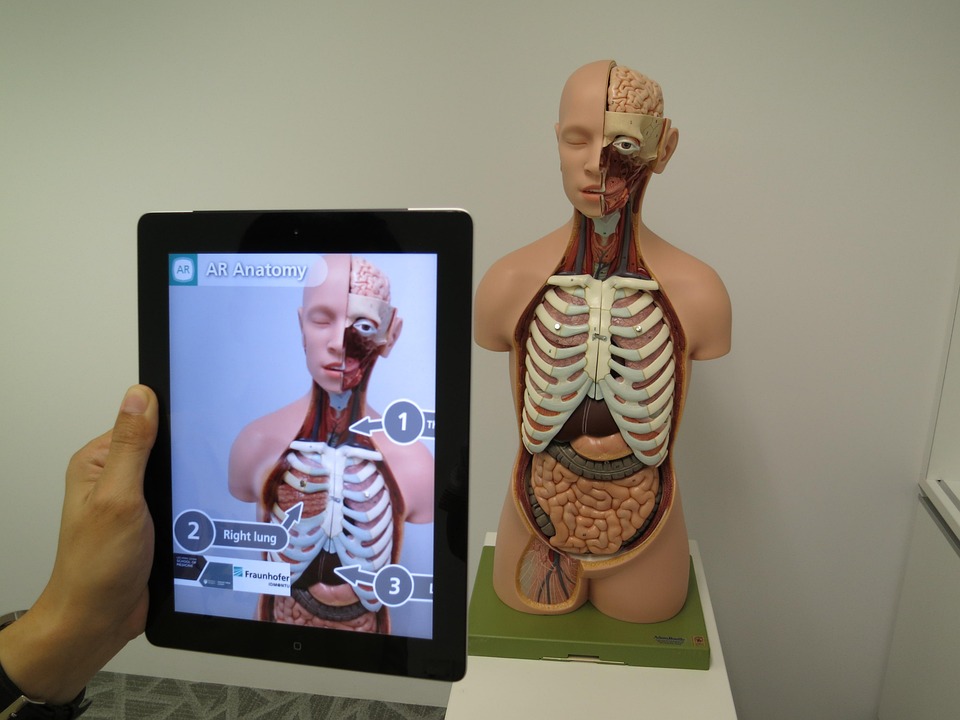
- Interactive Learning: AR applications like Google Expeditions allow students to explore complex subjects like anatomy or astronomy through interactive 3D visuals.
- Training Simulations: Industries like healthcare and manufacturing use AR for realistic training simulations. For example, surgeons can practice techniques using AR overlays to visualize anatomy.
Streamlining Remote Collaboration
In an increasingly remote world, AR tools are pivotal for improving collaboration among teams spread across different locations. Businesses are adopting AR platforms to facilitate seamless communication and teamwork.
- Shared Workspaces: Tools like Microsoft HoloLens enable teams to collaborate in a shared virtual environment, making it easier to brainstorm and strategize.
- Remote Assistance: AR solutions can provide real-time assistance to technicians in the field, allowing experts to visualize problems and guide repairs from afar.
Entertainment and Media: A New Era of Engagement
Augmented Reality in Gaming
The gaming industry has been one of the earliest adopters of augmented reality. Popular games like Pokémon GO demonstrate how AR can engage players in real-world environments, encouraging exploration and social interaction.
Interactive Storytelling
Broadcasters and film studios are integrating augmented reality into their storytelling techniques, providing audiences with immersive experiences. For example:
- Enhanced News Experiences: Media outlets are using AR to create interactive news segments, allowing viewers to engage with information dynamically.
- Live Events: Concerts and sporting events incorporate AR to enhance viewer experience, offering unique visual content that captivates audiences.
Challenges Facing Augmented Reality
Technical Limitations
Despite its immense potential, augmented reality faces challenges that could inhibit its widespread adoption.
- Device Compatibility: Not all devices support AR capabilities, which can limit user access.
- User Experience: Designing an intuitive user experience is crucial, as complex interfaces may deter users.
Privacy and Security Concerns
With AR’s ability to collect and process real-time information, issues surrounding privacy and data security must be addressed. Ensuring users’ data is adequately protected will be essential for the technology’s broad acceptance.
Economic Barriers
Investing in AR technology can be capital-intensive, particularly for startups and small businesses. Affordability will play a critical role in the pace at which AR becomes mainstream.
The Future Outlook of Augmented Reality
Projections for Market Growth
The AR market is projected to reach over $300 billion by 2024, driven by advancements in hardware, software, and applications. This growth signals an exciting future, with more industries likely to explore AR solutions.
Integration with Other Technologies
The future of augmented reality will likely see its integration with emerging technologies, such as artificial intelligence (AI) and the Internet of Things (IoT). This convergence promises to create even more seamless and enriched user experiences.
- AI-Powered AR: Enhanced data analytics can provide personalized content based on real-time user behavior.
- IoT-Enhanced Environments: Integrating AR with smart devices will create interconnected ecosystems for daily tasks and operations.
FAQ Section
What are some popular applications of augmented reality?
Popular applications include virtual try-ons in retail, interactive learning tools in education, and immersive gaming experiences.
How does augmented reality differ from virtual reality?
Augmented reality overlays digital information onto the real world, while virtual reality creates a fully immersive, computer-generated environment.
What industries are most impacted by augmented reality?
Industries such as retail, education, healthcare, and entertainment are significantly impacted by the adoption of augmented reality technologies.
What challenges does augmented reality face?
Key challenges include technical limitations, privacy concerns, and economic barriers to entry for small businesses.
How can businesses implement AR technologies?
Businesses can start by testing small-scale AR applications or collaborations with AR solution providers to create tailored experiences for their target audience.
Conclusion
As we stand on the brink of this technological revolution, augmented reality represents a paradigm shift that will undoubtedly redefine various aspects of our everyday lives. From enhancing retail experiences to revolutionizing remote collaboration, the transformative impact of AR is evident across multiple sectors. As we delve deeper into this exciting future, it is crucial for tech professionals, digital innovators, and startups to stay informed and engage with these emerging technologies.
For deeper insights and discussions on emerging technologies, we invite you to explore more at NextStack. Stay ahead of the curve and embrace the future!